5 Mistakes Recreational Pickleball Players Make (And How to Fix Them)
The Gap Between Playing and Improving
There's a frustrating plateau that most recreational pickleball players hit around the 3.0–3.5 skill level. You've got the basics down, you're winning some games, but you're not improving as fast as you'd like. In most cases, the reason isn't fitness or athleticism — it's a handful of repeatable technical mistakes that are costing you points every single rally.
Here are the five most common mistakes recreational players make, and exactly how to fix each one.
Mistake 1: Chasing Power Instead of Control
This is the most common mistake at every level below 4.0. Players try to end rallies with hard drives when the smarter play is a controlled dink or a well-placed drop. Power is satisfying, but it's also inconsistent — and against a patient opponent at the kitchen line, it will lose you more points than it wins.
The fix: In your next session, commit to playing every ball below your waist as a soft shot. If the ball is below the net tape, your only job is to get it back soft and low. Save your drives for balls that are genuinely attackable — above the net and in your strike zone.
Mistake 2: Not Getting to the Kitchen Line
The kitchen line (the non-volley zone line) is where pickleball is won and lost. Players who control the kitchen control the game. Yet most recreational players spend too much time in no man's land — the middle of the court — where they're vulnerable to both drives and drops.
The fix: After every serve and return, your goal is to get to the kitchen line as quickly as possible. The third-shot drop exists specifically to give you time to move forward. Practice this shot until it's reliable: a soft, arcing ball that lands in your opponent's kitchen and forces them to hit up.
Mistake 3: Using the Wrong Paddle for Your Game
A beginner paddle has a large sweet spot and a soft feel, which is great for learning. But once you're playing regularly, that same softness works against you. You lose spin, you lose precision, and you lose the crisp feedback that tells you exactly where on the face you made contact.
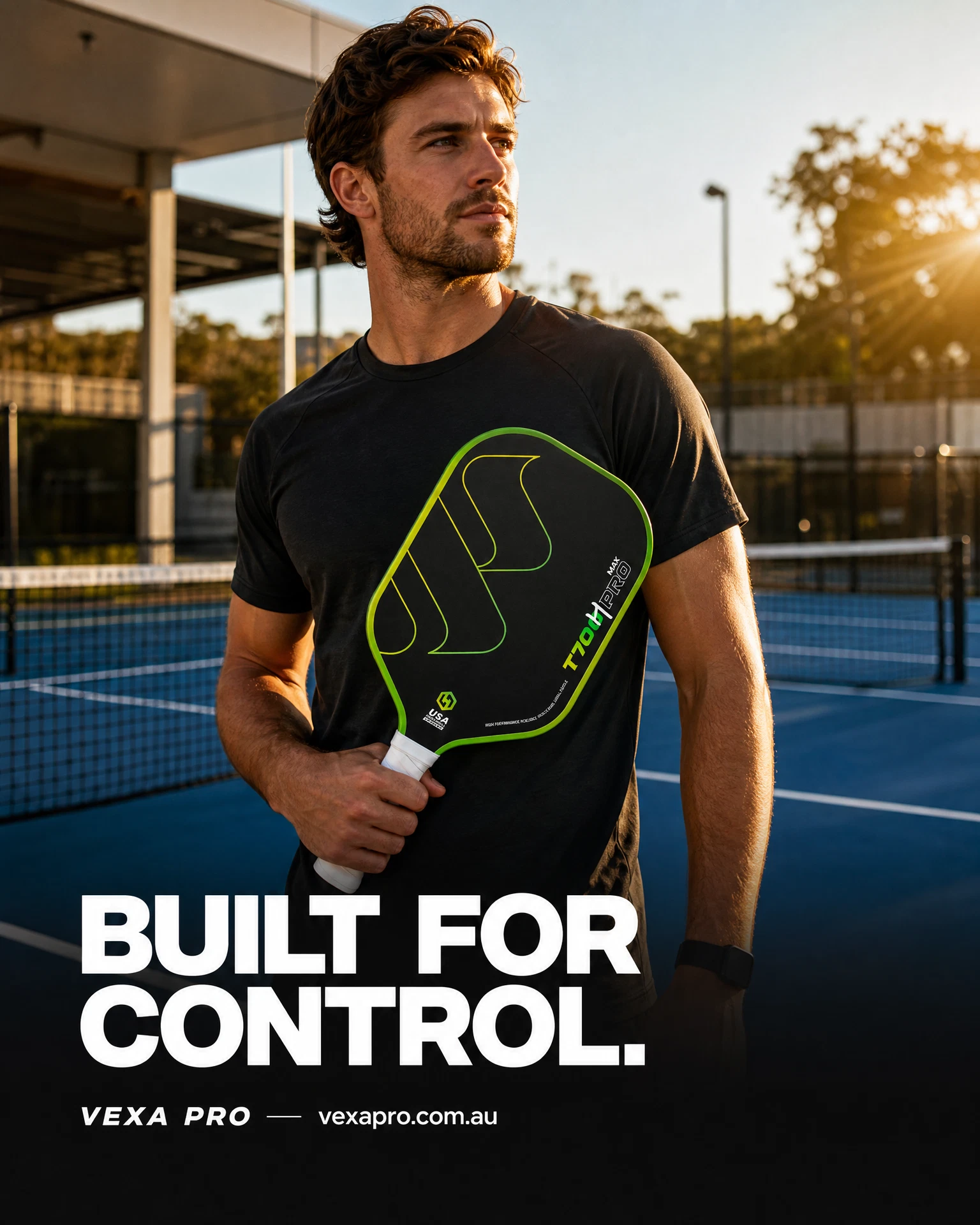
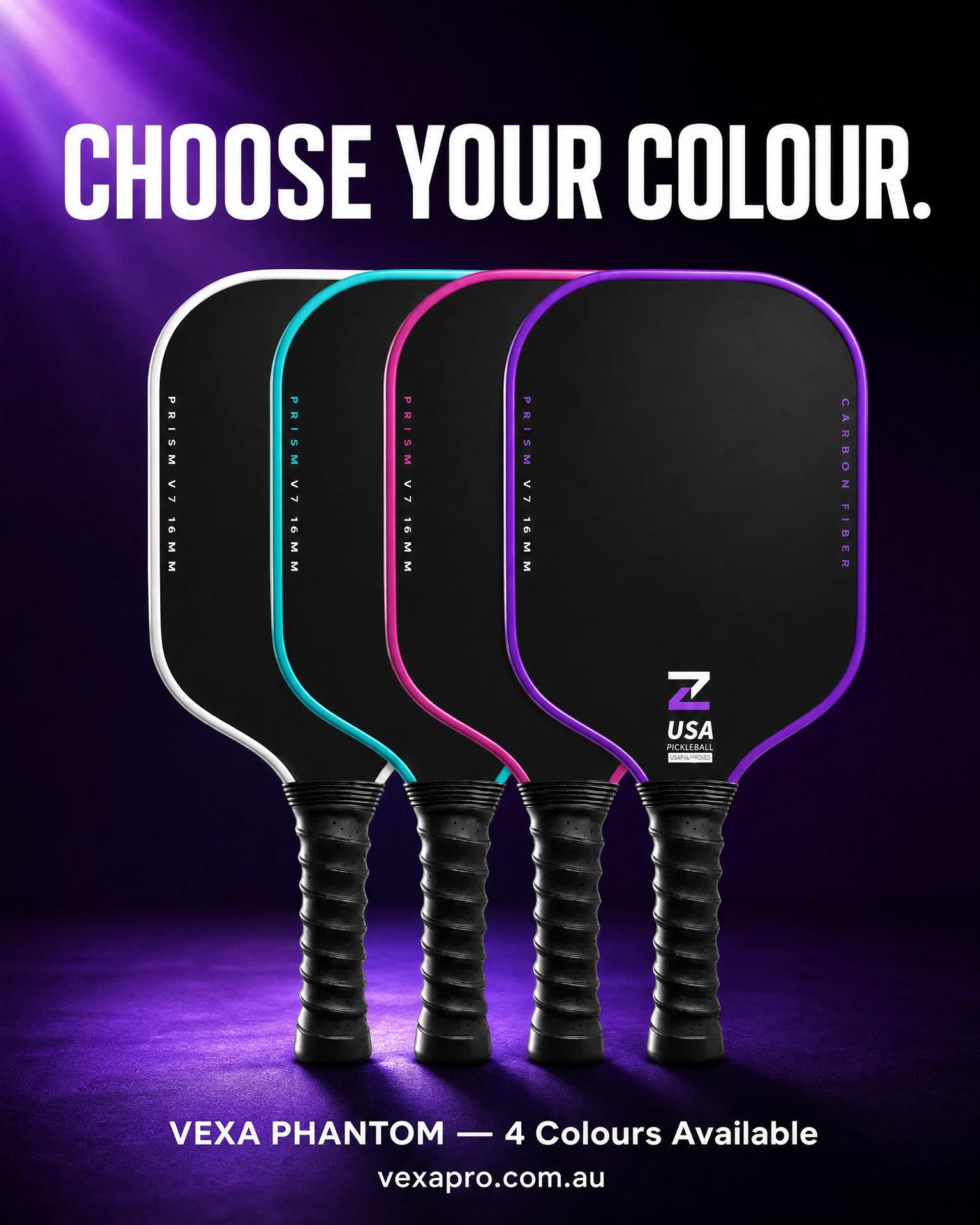
The fix: Upgrade to a carbon fibre paddle. The T700 raw carbon fibre surface generates significantly more spin than fibreglass or composite faces, and the stiffer feel gives you more precise control at the kitchen line. The VEXA PRO T700 is designed specifically for players making this transition — premium performance at a price that doesn't require a professional contract.
[Shop the VEXA PRO T700 →](/products/vexa-pro-pink)
Mistake 4: Watching the Ball Instead of Reading the Game
Watching the ball is correct — but only watching the ball means you're missing critical information. Where is your opponent positioned? Are they leaning left or right? Are they in a strong or weak position? This information tells you where to place your next shot before you even hit it.
The fix: After you hit each shot, take a split second to read your opponent's position and body language. If they're reaching wide, go back behind them. If they're leaning forward, lob. If they're out of position, drive. React to what you see, not just where the ball is.
Mistake 5: Inconsistent Grip Pressure
Most players grip their paddle too tightly, especially under pressure. A tight grip reduces wrist flexibility, kills touch on soft shots, and causes arm fatigue over long sessions. The ideal grip pressure is firm enough to control the paddle but relaxed enough to feel the ball on contact.
The fix: On a scale of 1–10, your grip pressure should be around 4–5 for dinks and soft shots, and 6–7 for drives and volleys. Practice consciously relaxing your grip between points. A quality cushioned grip helps — the VEXA PRO paddles all come with a pro cushion grip that reduces vibration and makes it easier to maintain consistent pressure.
The Bottom Line
Fixing these five mistakes won't happen overnight, but focusing on one per session will accelerate your improvement faster than any drill or fitness routine. The players who improve fastest are the ones who play with intention — not just hitting balls, but actively working on specific aspects of their game.
Ready to upgrade your equipment? [Shop VEXA PRO paddles →](/)
READY TO UPGRADE?
Premium carbon fibre paddles. Delivery details are shown at checkout.
Shop VEXA PRO Paddles